


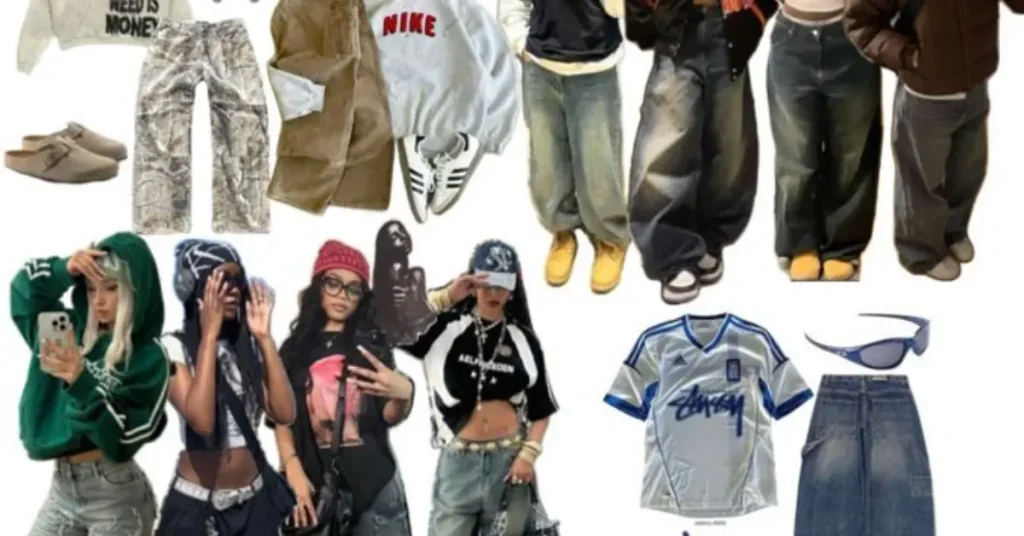
Streetwear began on sidewalks, skate parks and basketball courts, and it still takes its cues from the street rather than the runway. The streetwear trends shaping city style right now share a common thread: comfort engineered into statement pieces, nostalgia remixed with modern fabrics, and outfits built to move through a whole day — commute, work, evening — without a costume change. This guide breaks down the trends that matter, how to wear them at any age, and how to shop for them wisely.
Oversized Fits, Tailored With Intent
The oversized silhouette remains the backbone of current streetwear trends, but the 2026 version is deliberate rather than sloppy. Boxy hoodies end at the waistband instead of the knee, wide-leg trousers are hemmed to break cleanly over sneakers, and overshirts are structured enough to hold their shape. The rule is volume with a clean edge: pick one oversized piece per outfit and let everything else sit closer to the body, so the look reads styled rather than swamped.
Fabric does much of the work. Heavyweight cotton, brushed fleece and technical nylon keep oversized pieces looking architectural instead of sleepy. If a garment drapes like bedding, it will read like bedding. Structure is what separates a fashion-forward oversized fit from simply wearing a size too big.
Cargo Everything, Done Cleanly
Utility pockets have moved from workwear into the centre of street style. Cargo trousers in tapered cuts, cargo skirts, and even cargo detailing on jackets and vests give outfits both texture and genuine function — a real consideration for city life, where phone, keys, earbuds and a card holder all need a home. The modern take keeps the profile slim: flat bellows pockets, neutral colours, and no dangling straps.
Pair cargos with simple tops to keep the outfit balanced. A plain heavyweight tee, a fitted knit or a cropped jacket lets the trousers carry the detail. Among streetwear trends, this is one of the easiest to adopt because it works across ages and budgets, and because the pieces are practical long after the trend cycle moves on.
Retro Sneakers and the Chunky Comeback
Footwear continues to anchor the whole outfit. Retro runners from the nineties and early two-thousands — mesh panels, layered soles, bold colour blocking — dominate, alongside chunky silhouettes that balance wide trousers. Clean white leather sneakers remain the universal translator, working with nearly everything in a streetwear wardrobe.
Buy for rotation, not accumulation. Two or three pairs in good condition, kept clean, will out-style a shelf of neglected releases. And shop smart: limited drops and resale markets attract fakes and scams, so buy from authorised retailers and check seller histories carefully. The same caution that protects any online purchase applies — payment safety matters, a point covered in this guide to payment privacy mistakes to avoid before you start, which is worth reading before any high-value sneaker purchase.
Layering as a Design Skill
Layering is where streetwear becomes personal. A graphic tee under an open overshirt, a hoodie under a long coat, a vest over a sweatshirt — layers add depth, adjust to changing weather, and let one wardrobe produce many outfits. The technique is simple: vary lengths, mix textures, and keep the colour story to two or three tones so the layers read as one idea.
Accessories finish the system. A crossbody bag, a beanie or cap, and one piece of jewellery carry the layered look without adding bulk. City dressing rewards this approach because days are long and temperatures shift; an outfit that can add or shed a layer gracefully is both style and strategy.
Graphics, Logos and Quiet Luxury Collide
Two opposite instincts are running through streetwear trends at once. Bold graphics and archive logos are back, fuelled by nostalgia for early streetwear labels. At the same time, a quieter movement favours unbranded, premium basics — heavy tees, perfect-fit sweatpants, minimal sneakers — where the quality of the fabric is the flex. Neither is wrong; the stylish move is choosing a lane per outfit rather than mixing loud logos with stealth-luxury pieces in the same look.
Vintage and second-hand shopping feed both lanes. Archive pieces bring authenticity that new releases cannot manufacture, and pre-owned basics soften the cost of quality. Whichever lane you prefer, verify what you are buying: check stitching, labels and seller reputation, and be sceptical of prices that seem impossible. Learning to spot manipulation online is a broader life skill — this piece on building better habits with phishing awareness explains how fraudulent sellers and fake storefronts operate, and its lessons apply directly to fashion resale.
Workwear Meets Streetwear: The Gorpcore Crossover
Technical outdoor clothing — waterproof shells, trail shoes, fleece layers, utility vests — continues its crossover into everyday city dressing, a movement often called gorpcore. The appeal is honest: these pieces are built to perform, they are comfortable for long days, and their functional details read as design. A weatherproof jacket over a hoodie and cargos is both a practical commute outfit and a current look, which is a rare combination.
The styling key is proportion. One technical piece anchors the outfit; surround it with cleaner, simpler items so the effect is intentional rather than expedition-ready. Choose muted, earthy colourways for versatility, and the same jacket will work over tailoring-adjacent outfits as easily as over full streetwear.
Build Your Streetwear Wardrobe on a Budget
You do not need drop-day money to dress well. Start with the foundation: two pairs of versatile trousers (one cargo, one wide-leg), heavyweight tees in black, white and grey, one hoodie, one overshirt or light jacket, and two pairs of sneakers. That capsule covers most streetwear looks. Add statement pieces slowly, one at a time, only when they genuinely extend what you already own.
Shop off-season, watch sample sales, and treat second-hand platforms as your first stop for branded pieces. Set a monthly limit and keep a list of what your wardrobe actually lacks, so impulse buys stop duplicating what hangs in your closet already. Streetwear trends will keep cycling — they always do — but a wardrobe built on fit, fabric and a few personal signatures never goes out of style, because it was never only about the trend in the first place.



[…] creates a waistline, shows the trouser, and instantly turns slouch into styling. Our overview of streetwear trends that define modern city style shows this balance running through almost every current […]